Archive Page 57


Approaching the island of Santorini


Santorini is known for its beautiful sunsets

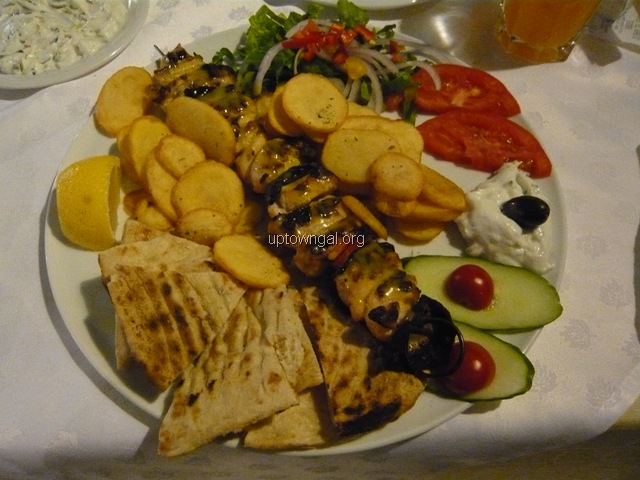
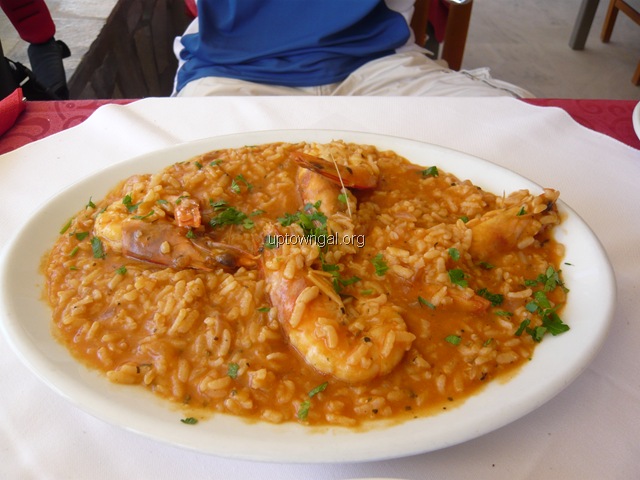
Left: Grilled shrimps with rice and sides
Right: Chicken souvlaki with sides

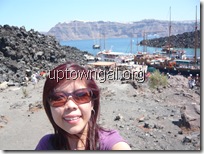
Nea Kameni islet – the last eruption of the Nea Kameni volcano was in 1950.

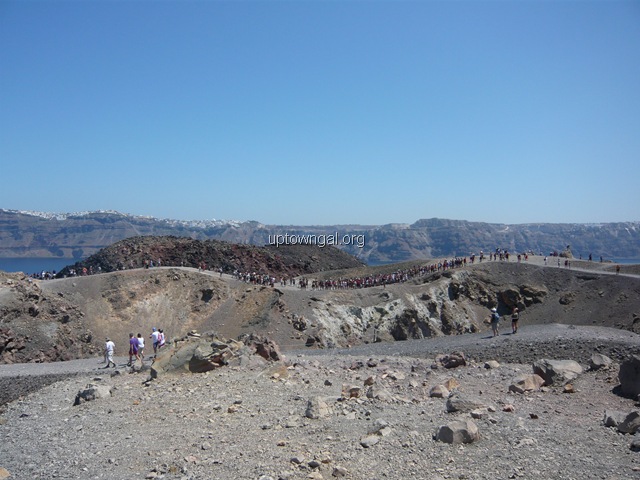
We joined tons of tourists making their way up the peak of the volcano.


Left: Steam escaping from the ground
Right: Pungent volcanic gases
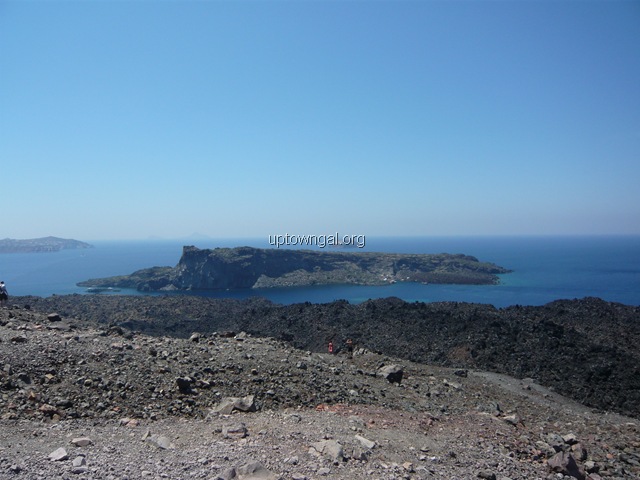
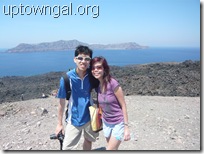
Peak of the volcano


We had lunch at a restaurant by the sea side… I thought the octopus (see left pic) was kinda scary…
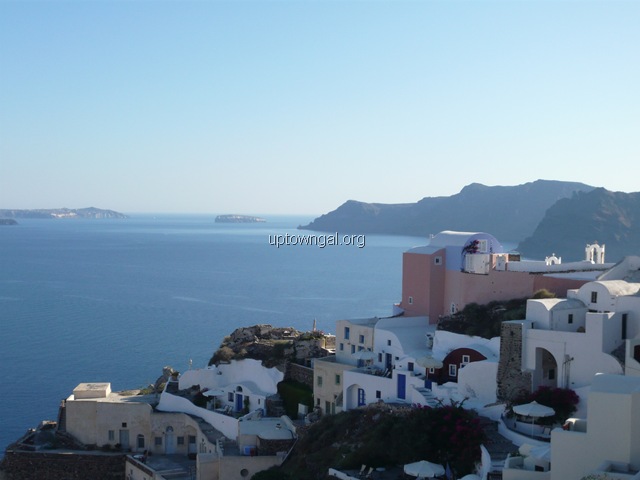

Town of Oia on Santorini


Beautiful churches
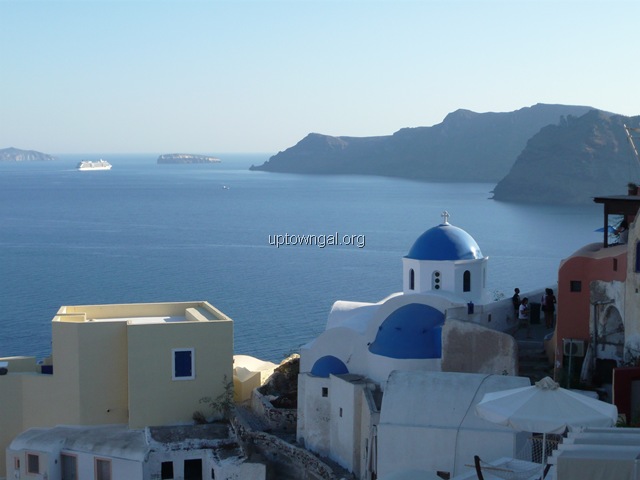

Views of the Caldera from Oia


We picked a restaurant facing west to have dinner so as to catch the sunset.

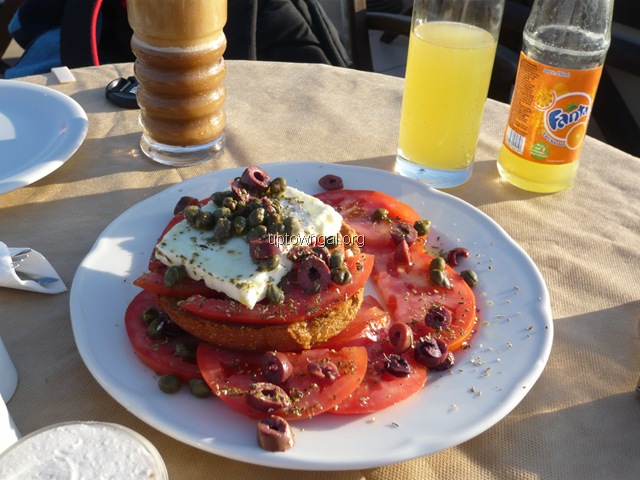
Dinner wasn’t that great, but the view was!

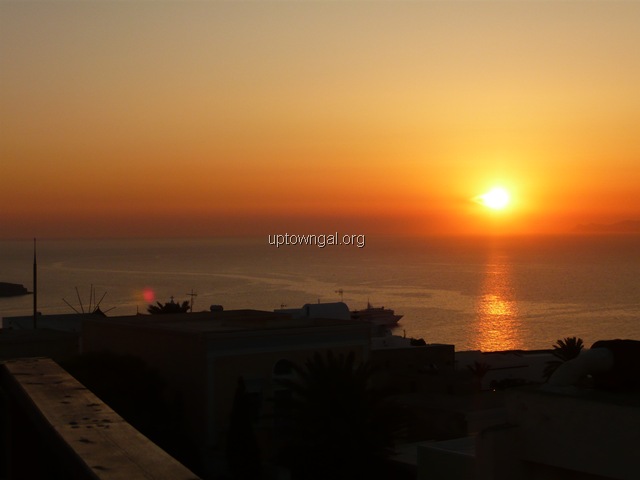
Alas! The limitations of a digicam!
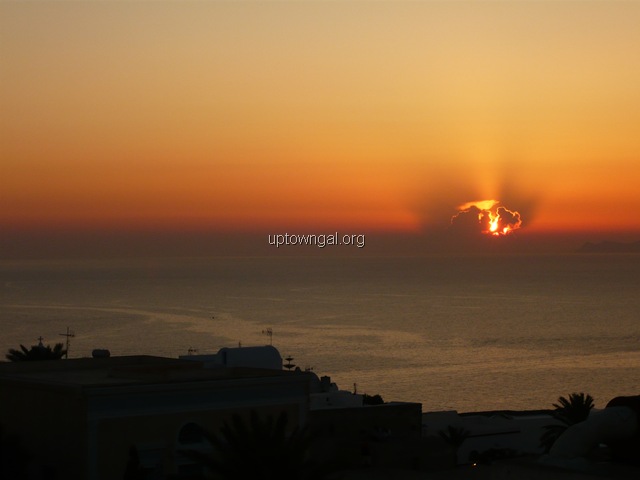

The sun setting behind clouds

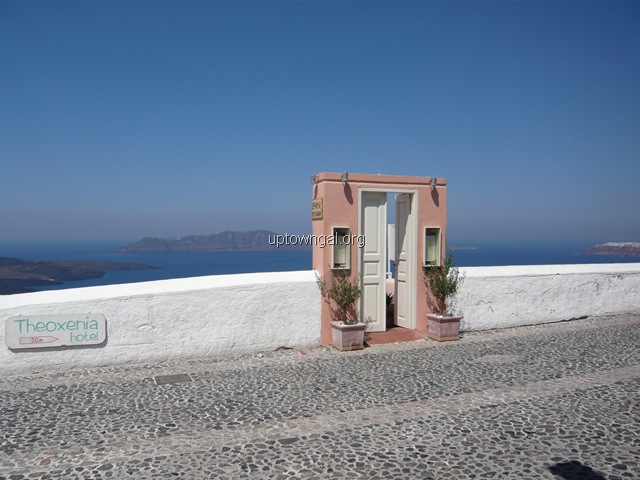
Town of Fira –
Left: Catheral Church of Candlemas of the Lord
Right: The street is dotted with doorways like this to indicate that there’s a restaurant / hotel below


Left: Town of Fira (see the steps at the bottom left corner of the photo? That leads to the port.)
Right: You can take cable car down to the port – highly recommended ‘cos it’s a loooooong climb and the steps reek of donkey poop! We suffered the experience in Oia…

Another church of which I’ve forgotten the name


Left: Spectacular view of Fira
Right: View of the Caldera (that’s what the body of water is called)


Right: This wheel moves the cable cars!
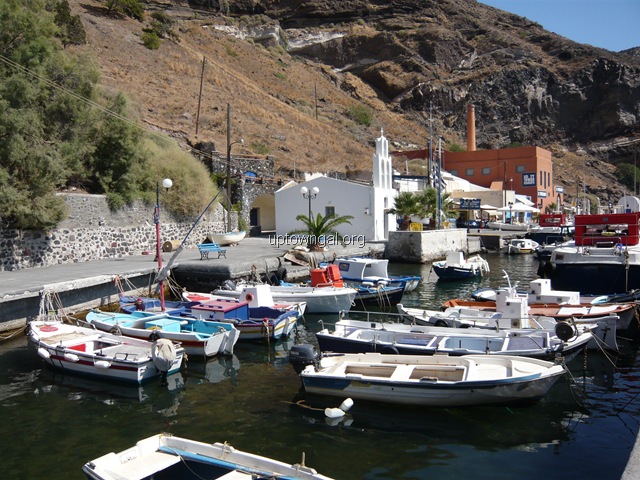

Left: A little dock for small boats
Right: There’re a lot of smokers in Greece. There’re few restrictions on areas where people can smoke. Not good news of non-smokers like us.

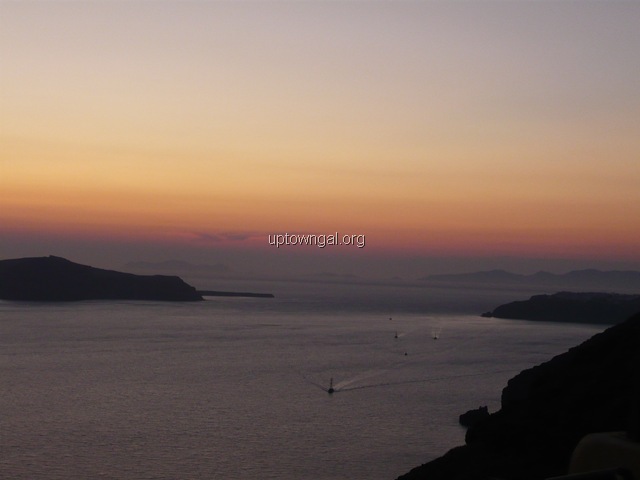
Left: Fira at sunset
Right: The Caldera at sunset

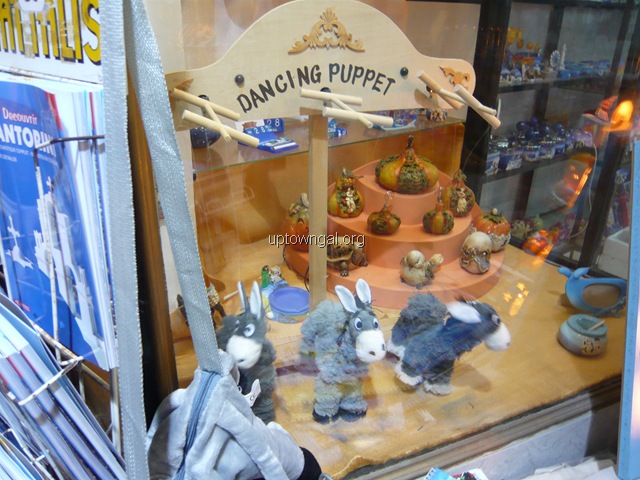
Left: The streets of Fira come alive at night!
Right: Donkey puppets!!
And that’s all the photos I have for now. Friends, if you want to see the entire collection of Greece photos, please check my Facebook. Thanks!
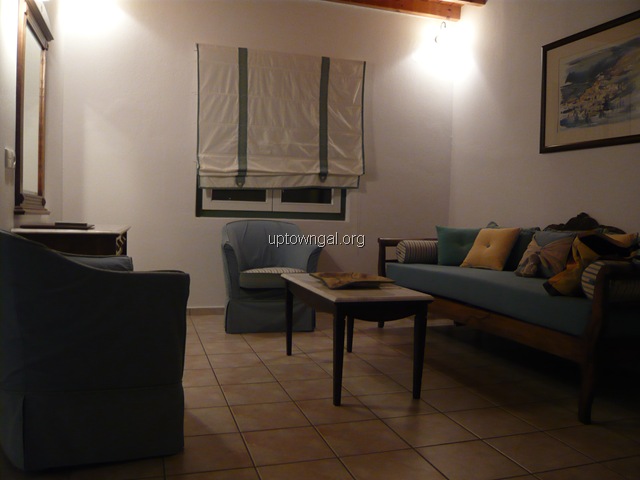

Pelican Bay Hotel – Our beautiful hotel room in Mykonos
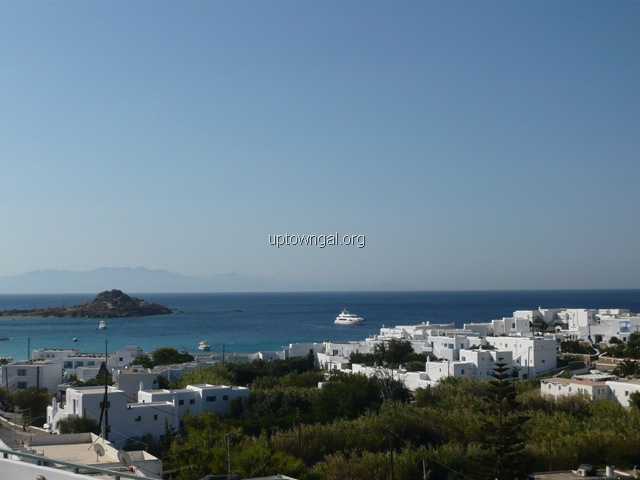

View from the balcony of the hotel room
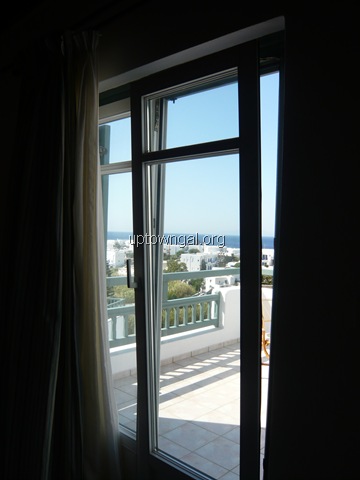
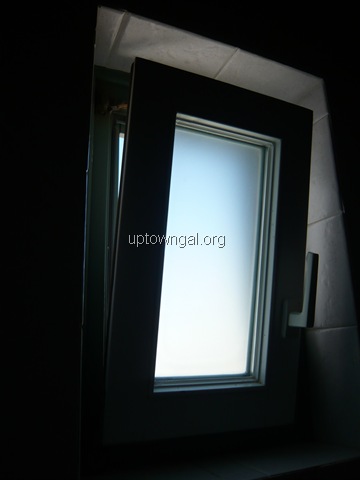
Apart from opening the usual way, the doors & windows could also be tipped open for ventilation! I thought it was so cool!


Left: Picture of our hotel room from the outside
Right: Iceman coming down the stairs leading to our room
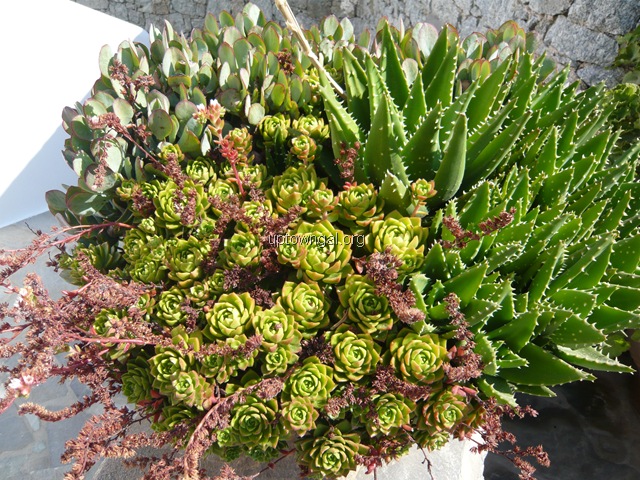

Left: Some cacti looking flowers. Very unusual (for me at least)
Right: Goats! Behhhh… beehhhhh


Left: A provision shop in the town of Mykonos
Right: “She sells seashells by the seashoreâ€

Left: A bullet looking house
Right: Windmills!


Right: How a windmill should really look… before the sails get taken down. Heh.

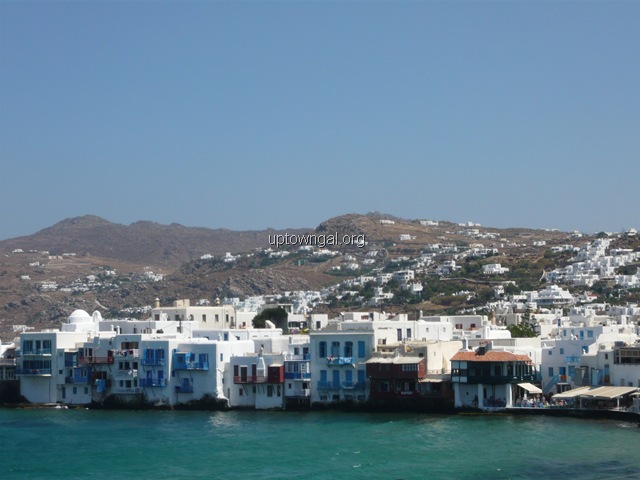
“Little Venice†of Mykonos

The narrow & windy streets were meant to make it difficult for pirates to capture the island


Typical Greek fast food –
Left: Pita with pork Souvlaki
Right: Souvlaki – it’s like grilled meat on satay stick


Left: Grilled seafood platter
Right: Greek traditional dessert – Baklava (it’s really super sweet)


Traditional Greek dance (gets kind of boring after a while)
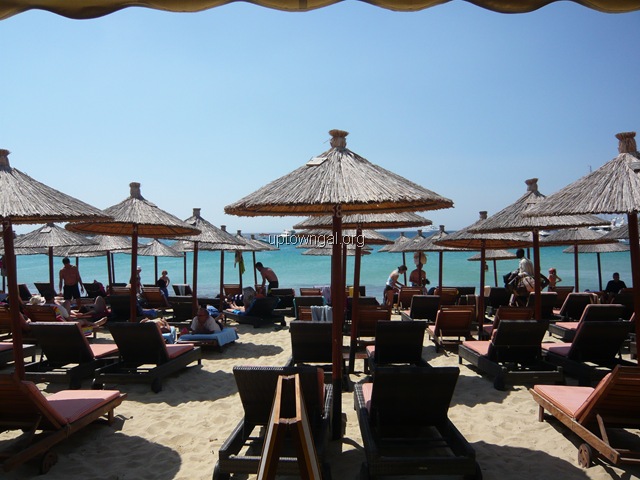
A beach front restaurant where we had our lunch before departing for Santorini!
Greece Highlights – Epidavros Theatre, Mycenae, Temple of Zeus, Acropolis & Parthenon
Published August 22nd, 2009 in Aces Go Places. 0 Comments
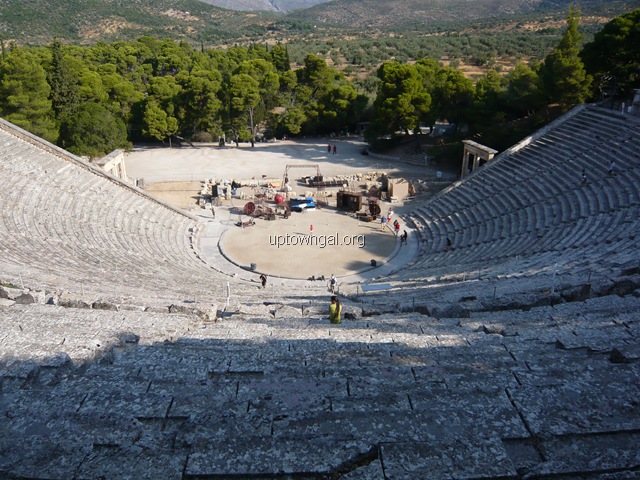
Epidaurus was a small city in ancient Greece, at the Saronic Gulf. The prosperity brought by the Asklepieion enabled Epidauros to construct civic monuments: the huge theatre that delighted Pausanias for its symmetry and beauty, which is used once again for dramatic performances, the ceremonial Hestiatoreion (banqueting hall), baths and a palaestra. The theatre was designed by Polykleitos the Younger in the 4th century BC. The original 34 rows were extended in Roman times by another 21 rows. As is usual for Greek theatres (and as opposed to Roman ones), the view on a lush landscape behind the skene is an integral part of the theatre itself and is not to be obscured. It seats up to 15,000 people
The theatre is marvelled for its exceptional acoustics, which permit almost perfect intelligibility of unamplified spoken word from the stage to all 15,000 spectators, regardless of their seating. A 2007 study by Nico F. Declercq and Cindy Dekeyser of the Georgia Institute of Technology indicates that the astonishing acoustic properties are either the result of an accident or the product of advanced design: The rows of limestone seats filter out low-frequency sounds, such as the murmur of the crowd, and amplify/reflect high-frequency sounds from the stage.
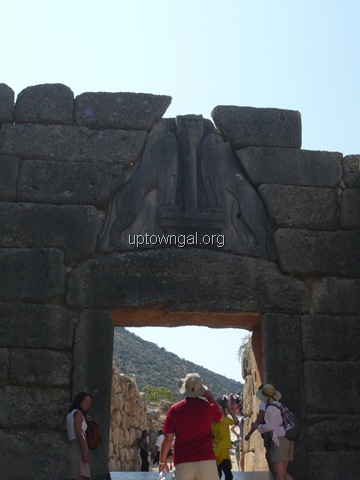

The archaeological sites of Mycenae and Tiryns are the imposing ruins of the two greatest cities of the Mycenaean civilization, which dominated the eastern Mediterranean world from the 15th to the 12th century B.C. and played a vital role in the development of classical Greek culture. These two cities are indissolubly linked to the Homeric epics, the Iliad and the Odyssey, which have influenced European art and literature for more than three millennia.
Left: The entrance is known as the Lions Gate, though archaeologists now believe that these really should be a carving of lionesses rather than lions as the heads are too small to belong to the latter.
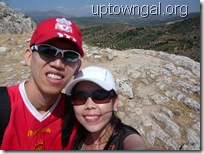

Greetings from the top of the hill. Coming up, we travel back to Athens…


Left: Temple of Olympian Zeus – is a colossal ruined temple in the centre of the Greek capital Athens that was dedicated to Zeus, king of the Olympian gods. Construction began in the 6th century BC during the rule of the Athenian tyrants, who envisaged building the greatest temple in the ancient world, but it was not completed until the reign of the Roman Emperor Hadrian in the 2nd century AD some 650 years after the project had begun. During the Roman periods it was renowned as the largest temple in Greece and housed one of the largest cult statues in the ancient world.
Right: The columns were made up of separate rings joined together by lead (through the centre). Note – this is a Corinthian column.
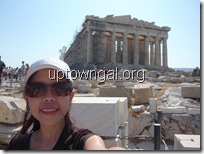

The Parthenon (Ancient Greek: ΠαÏθενών) is a temple of the Greek goddess Athena whom the people of Athens considered their protector. It was built in the 5th century BC on the Athenian Acropolis. It is the most important surviving building of Classical Greece, generally considered to be the culmination of the development of the Doric order. Its decorative sculptures are considered one of the high points of Greek art. The Parthenon is regarded as an enduring symbol of ancient Greece and of Athenian democracy, and one of the world’s greatest cultural monuments. The Greek Ministry of Culture is currently carrying out a program of restoration and reconstruction.

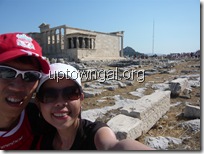
Old Temple of Athena

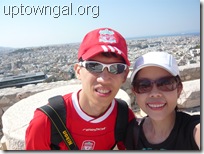
After this, we bade farewell to Athens and made our way to the islands of Mykonos & Santorini!
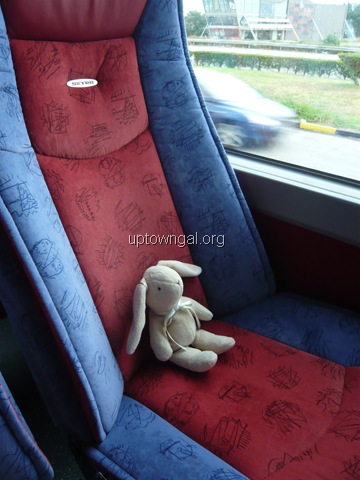
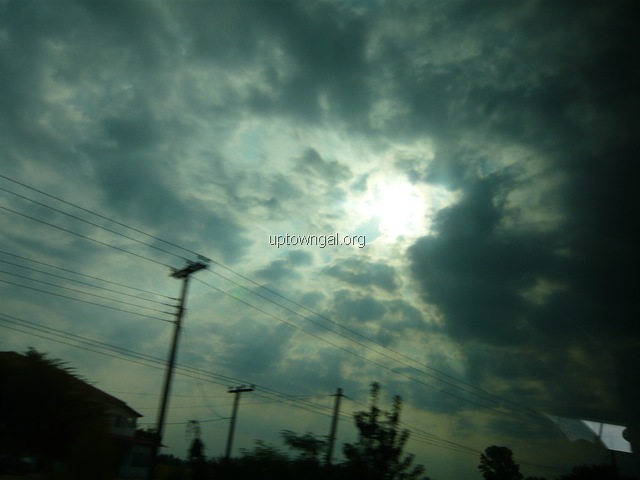
View from the bus, on the way to Delphi

Left: Typical Greek terrain
Right: Photo stop!


A shop where rugs are weaved. Rugs and carpets made in Greece are commonly sold to Canada, France and other parts of Europe.


Left: Display of rugs
Right: Can you spot the error?
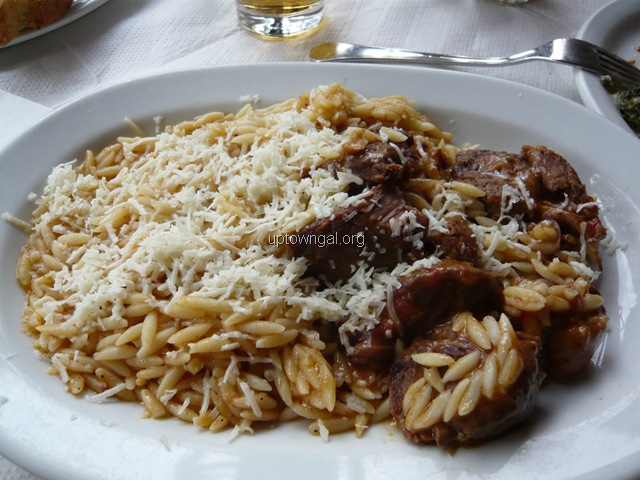

Left: Greek macaroni with beef stew
Right: Mixed plate comprising of fried cheese, spinach pie (aka Mousaka), yoghurt with olives and I can’t remember what else. It all tasted the same after a while…

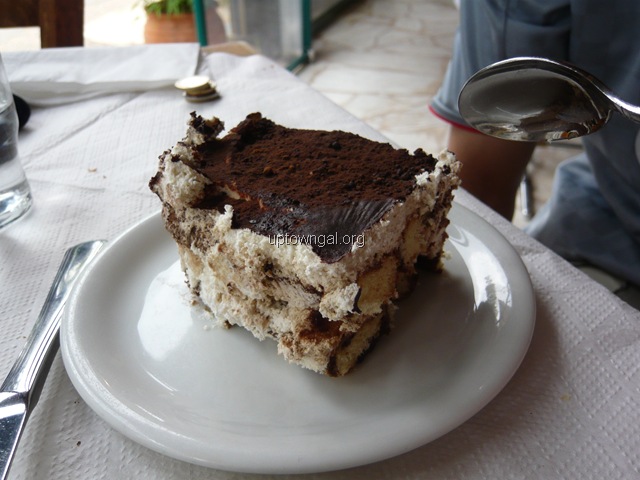
Left: A tray of Greek desserts
Right: Tiramisu
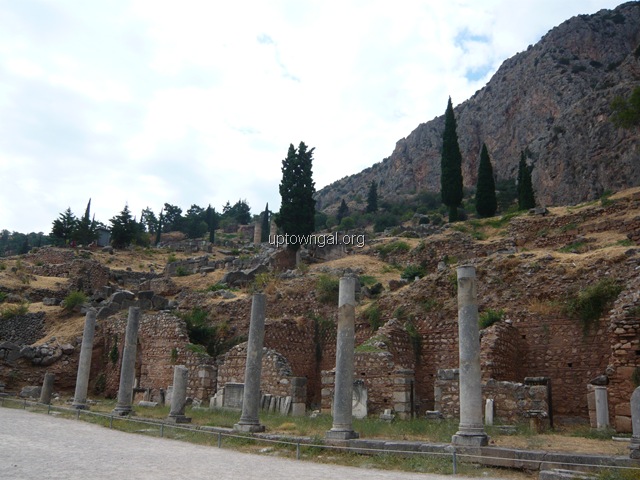

The archaeological site of Delphi
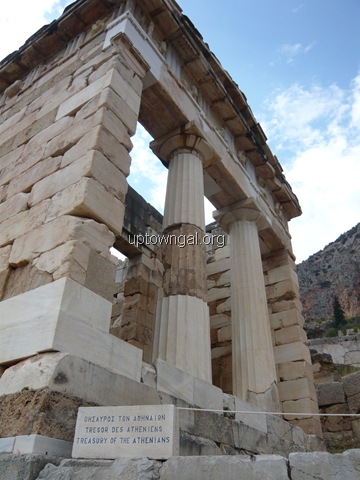
Left: Treasury of Athenians (a place where the offerings and other valuables were stored)

Left: An Ionic column (if you’re interested, do an online search for the difference between Ionic, Doric and Corinthian columns)
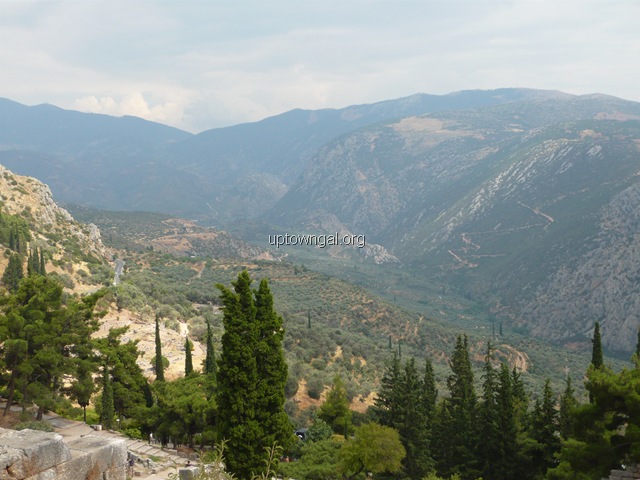
Right: View from mid-way up the site

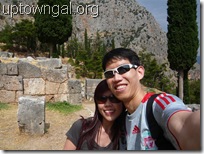
Still hiking up the site…
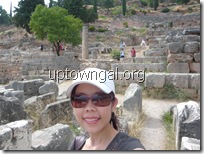
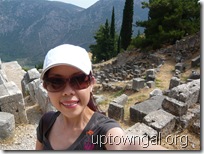
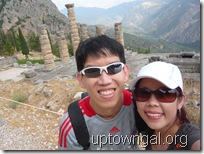
I wore my cap as it got hotter as we climbed. Cam-whoring to relieve tiredness.

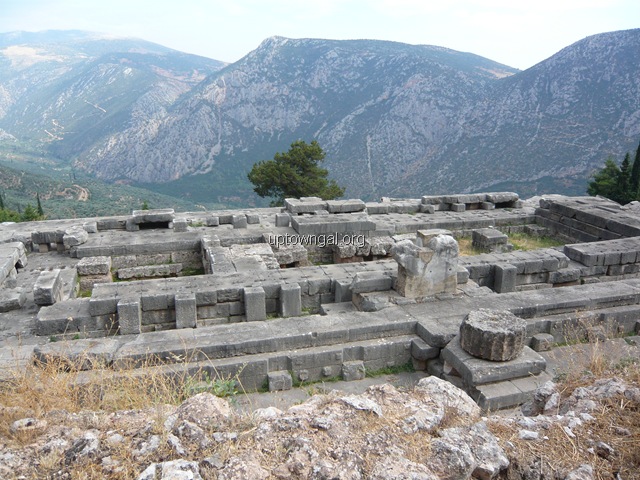
Left: Ruins of the Temple of Apollo
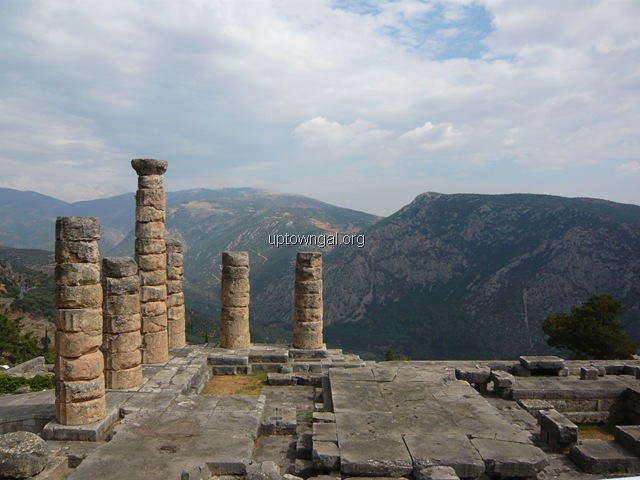
I felt the ruins looked very majestic against the mountainous backdrop.
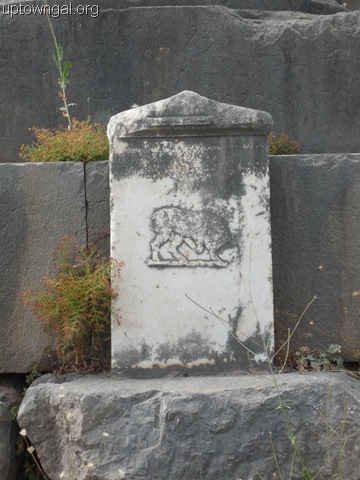

Left: The bull was a sacred animal to the Crete people

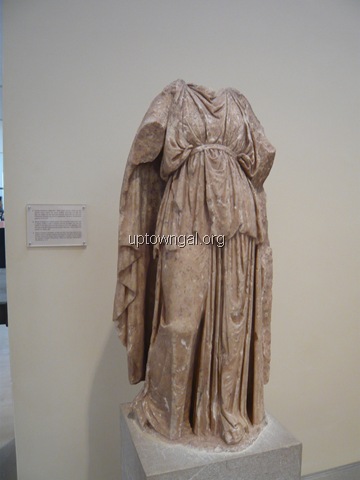
Many spectacular statues are now stored at a museum next to the archaeological site.
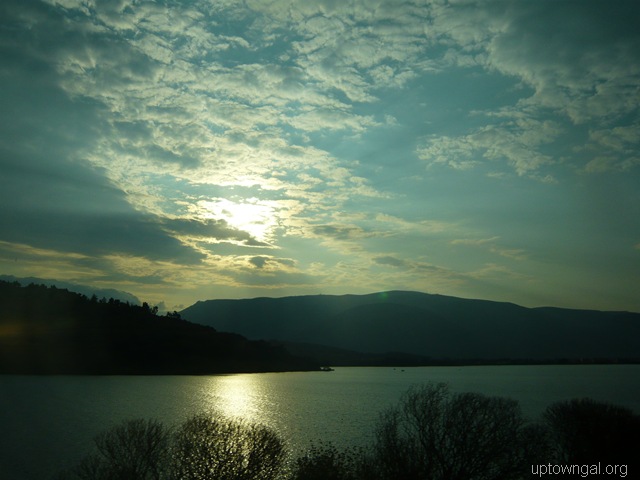
Left: View from the bus on our way to Olympia the next morning.
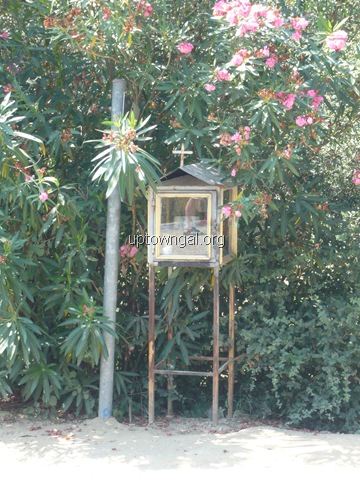
Right: A shrine by the road side. There’re many shrines along Greek roads – some were built to remember people who died in accidents at the spot, some built by survivors of accidents to give thanks to God, some were built to commemorate old churches that have been pulled down, and some were built to let pple know there’s a church nearby.


More shrines. Reminds me of how the people of the Old Testament would build shrines along their journeys to commemorate God’s greatness. BTW, 98% of Greeks are Orthodox Christians. This is the first time I visited a country of Orthodox Christians. Very interesting.

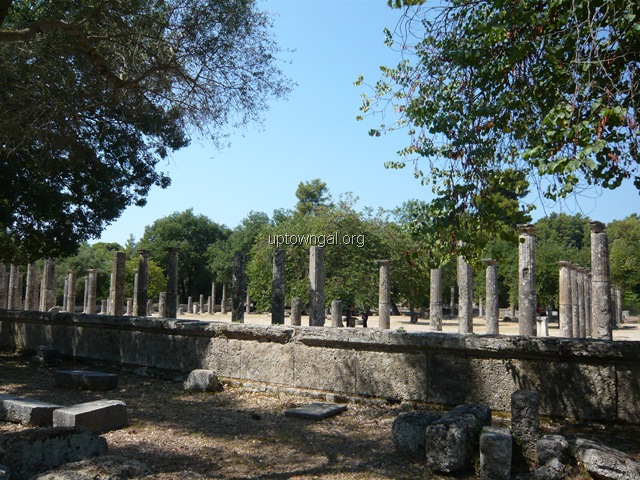
The Sanctuary of Olympia. The site of Olympia, in a valley in the Peloponnesus, has been inhabited since prehistoric times. In the 10th century B.C., Olympia became a centre for the worship of Zeus. The Altis – the sanctuary to the gods – has one of the highest concentrations of masterpieces from the ancient Greek world. In addition to temples, there are the remains of all the sports structures erected for the Olympic Games, which were held in Olympia every four years beginning in 776 B.C.

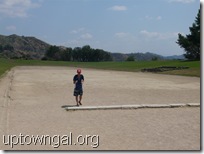
Left: The entrance to the ancient Olympic stadium. Note – we learnt from our guide that the ancient Greek stadiums did not have seats for spectators, who would stand on the slopes to watch the race. Stadiums with seats are only typical of Roman stadiums. In addition, the Greeks learnt how to use bricks in their construction from the Romans, while the Romans picked up knowledge on constructing statutes from the Greeks.
Right: Iceman reaching the finishing line!

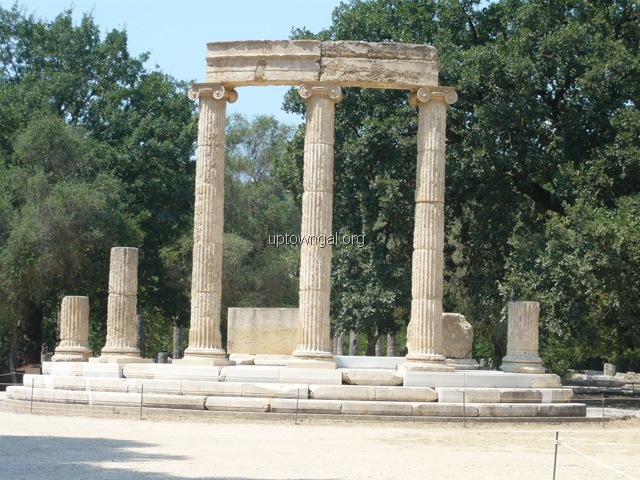
Left: Temple of Hera – an ancient Doric Temple. The Temple of Hera was destroyed by an earthquake in the early 4th century AD, and never rebuilt. In modern times, the temple is the location where the torch of the Olympic flame is lit, by focusing the rays of the sun. The temple was dedicated to Hera, the wife of Zeus and one of the most important female deities in Greek religion.
Right: The Philippeion in the Altis of Olympia was an Ionic circular memorial of ivory and gold, which contained statues of Philip’s family, Alexander the Great, Olympias, Amyntas III and Eurydice II. It was made by Athenian sculptor Leochares in celebration of Philip’s victory at Battle of Chaeronea (338 BC).
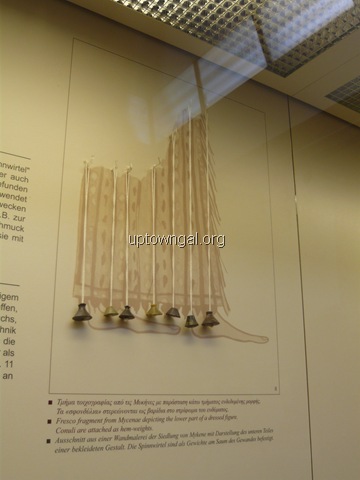
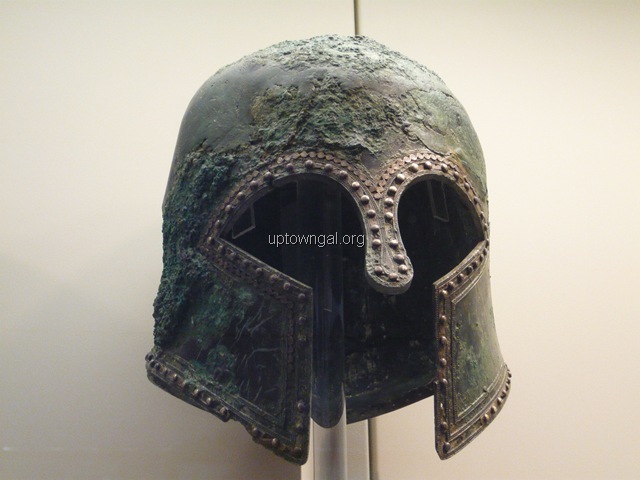
From the Museum –
Left: How ancient ladies kept their modesty – the weights would prevent their skirts from flying up when the wind blows.
Right: Ancient bronze helmet


Self-explanatory…
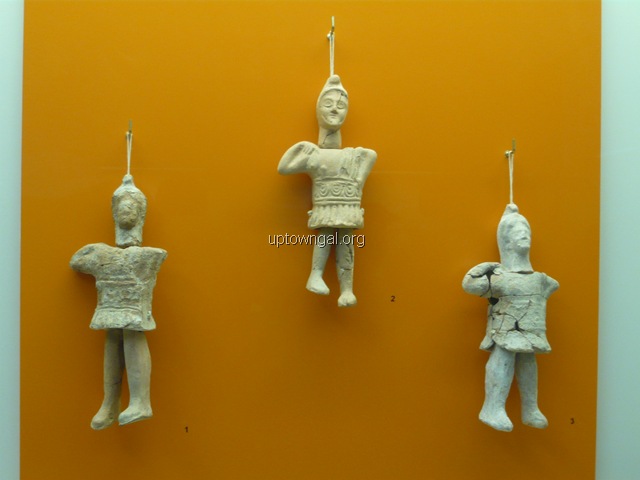

Left: Ancient dolls
Right: Excavated statues

Left: Lamb
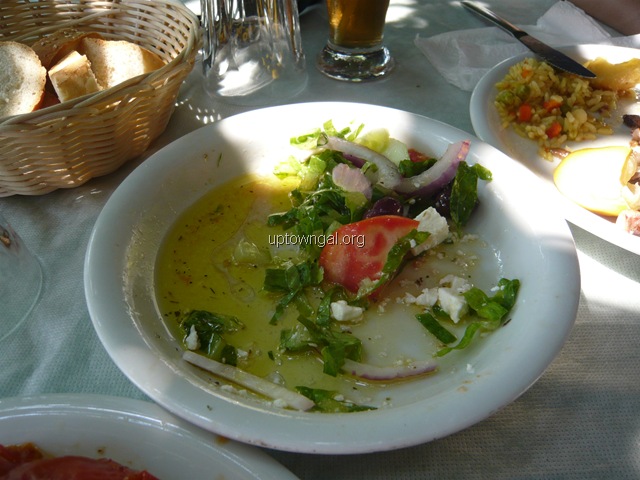
Right: Really oily Greek salad (Athena sure gave Greece damn a lot of olives man…)
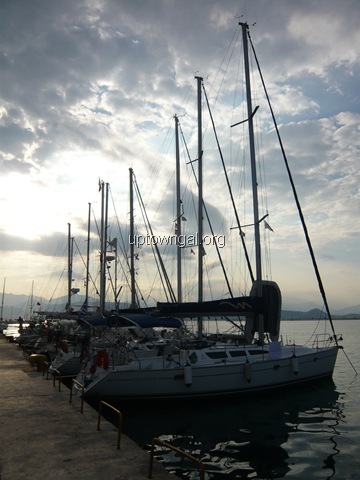
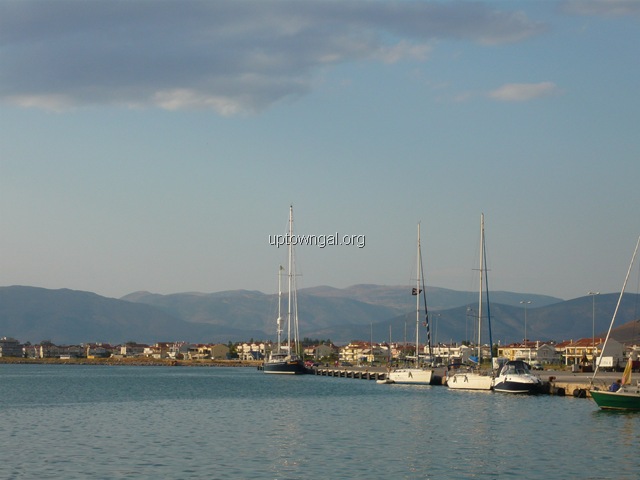
Photo stop at the smelly Port of Nafplio
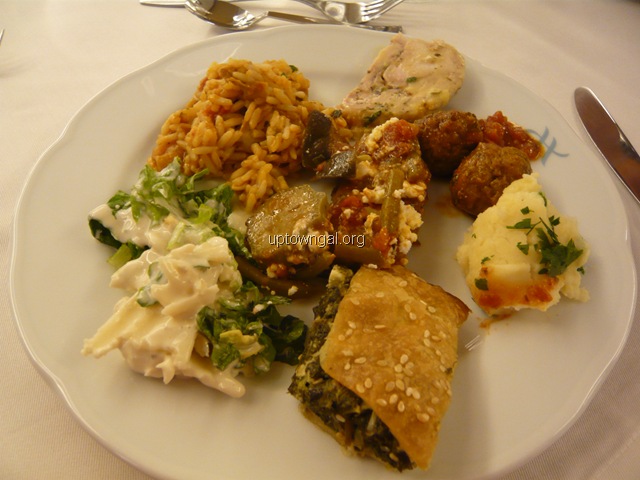
Our dinner… doesn’t it look really familiar?
Iceman and I went to Greece for our honeymoon and here’re some of my favourite pictures. For the full set of photos, please check my Facebook page. 🙂
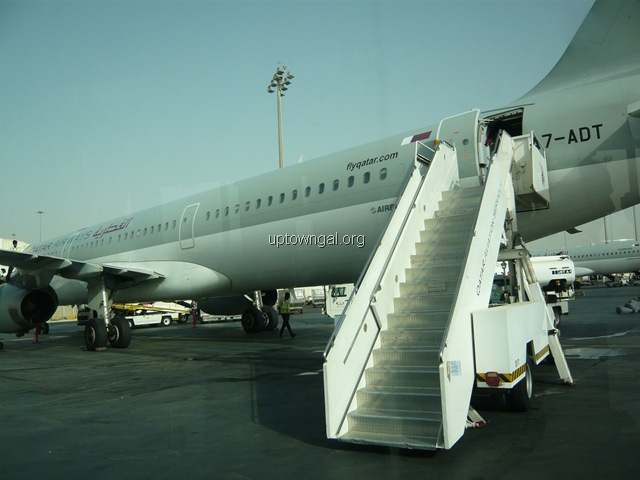
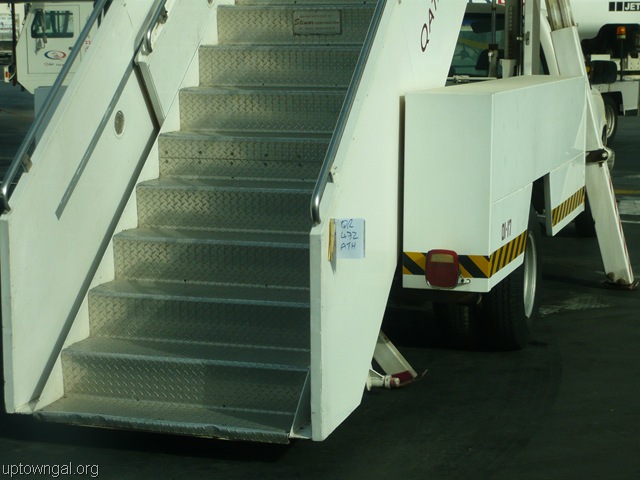
Our flight transited in Doha. Yup, that’s our flight no. stuck to the side of the stairs…
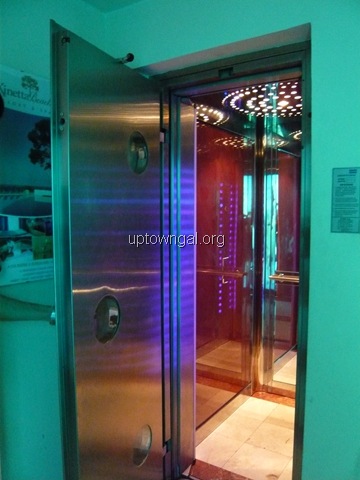
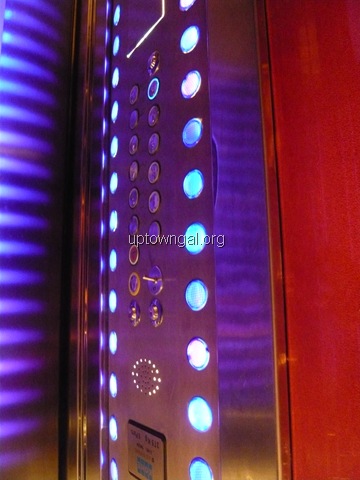
The lift at our hotel in Athens, Kaningos 21 – it’s kind of old fashioned ‘cos you have to manually open the outer lift door… but yet the inside of the lift is so space age!
Left: A toy shop along Akadimias Street
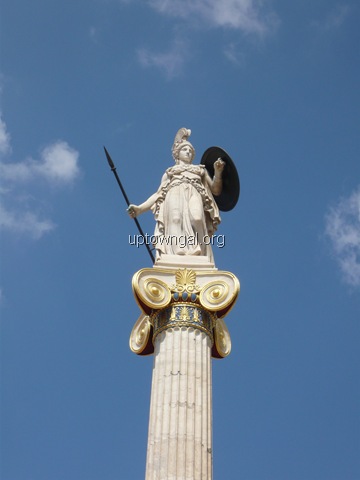
Right: Goddess Athena
According to Greek mythology, both goddess Athena and god Poisedon (aka Neptune) wanted to take Athens under their protection. A contest was thus held whereby Athena and Poisedon had to conjure up something that all the other gods would vote to see which was the best for the people of Athens. Athena created a olive tree while Poisedon created water. The Greek gods voted Athena the winner. Poisedon, in a fit of anger, cursed Athens to be always short of water (it is indeed a dry land!). Frankly, I don’t see how “water†could lose to an “olive treeâ€. I think Athena probably hiked up her skirt or something during the vote…
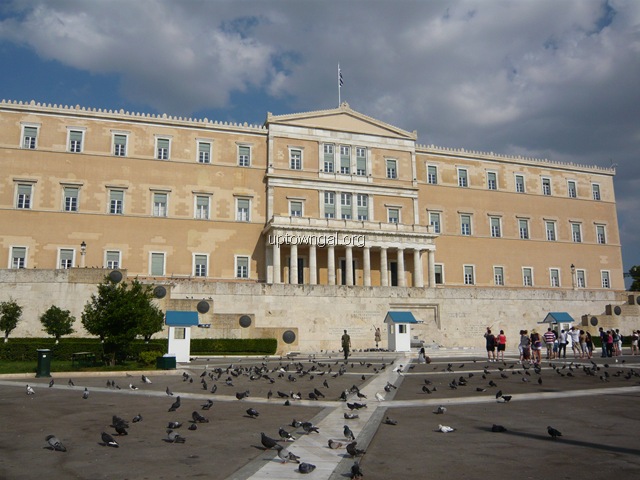
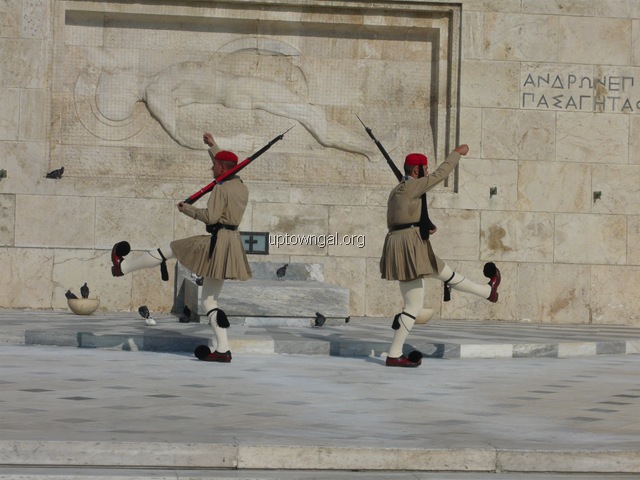
Left: Parliament House
Right: Changing of the Guards
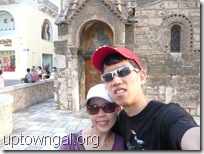
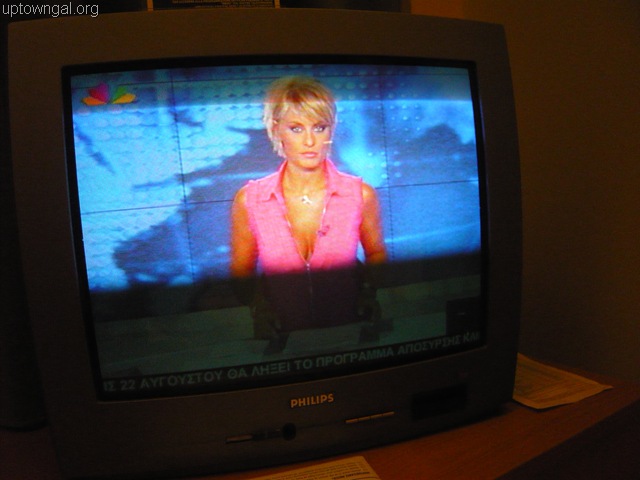
Left: Outside some old church which I’ve forgotten the name of
Right: A really sexy newscaster – and not tabloid news mind you. She was delivering news of the floods in Taiwan, etc.
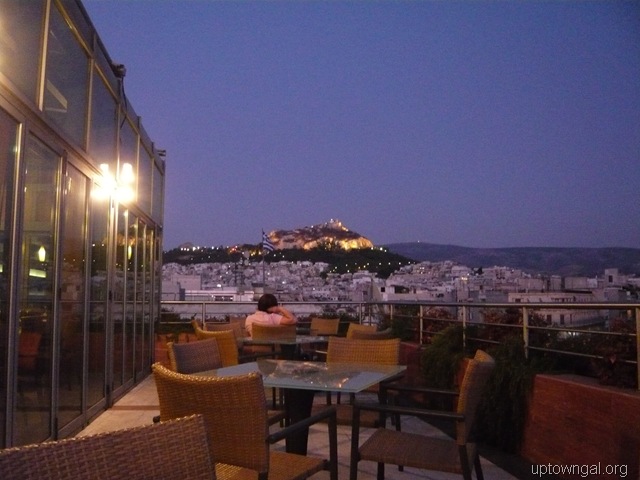
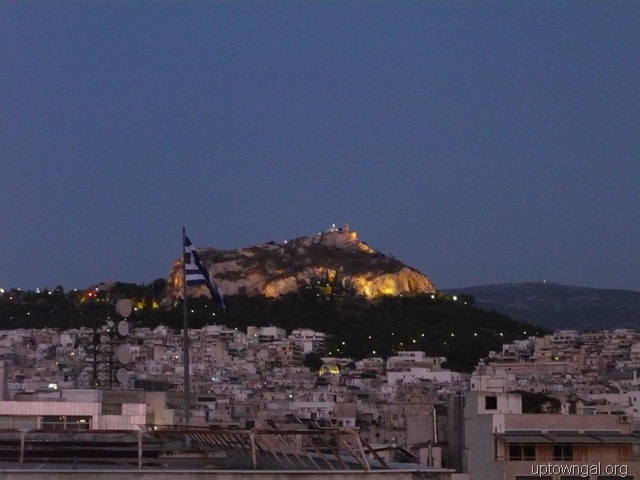
View from the roof top garden at Kaningos 21. The lighted hill faraway is Lycabettus Hill.

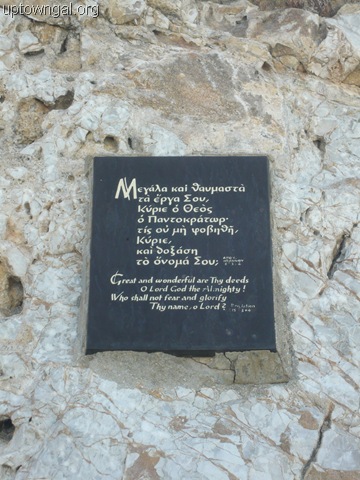
St George’s Church (located on the top of Lycabettus Hill)
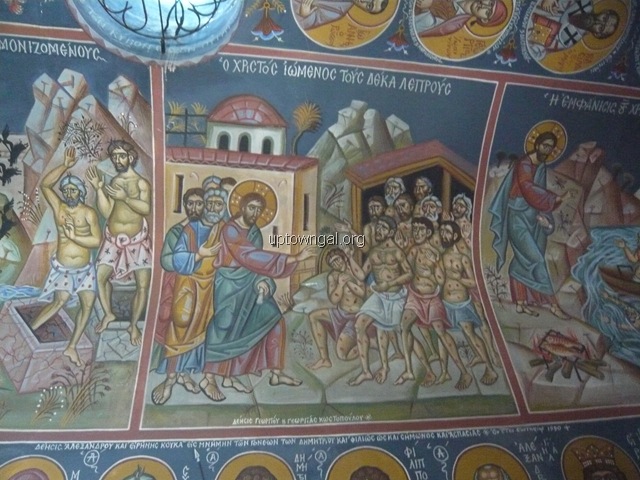
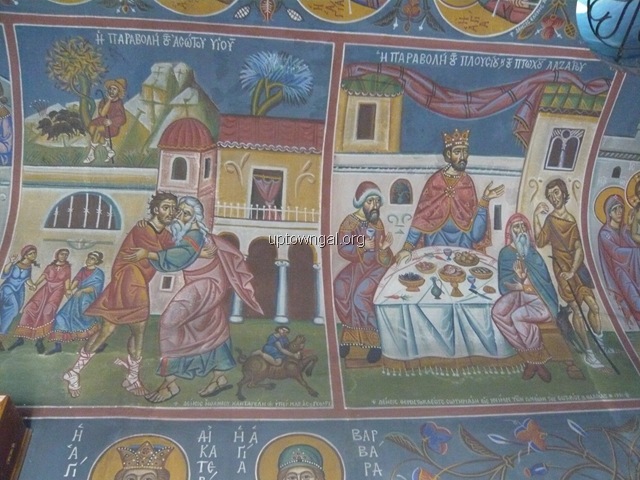
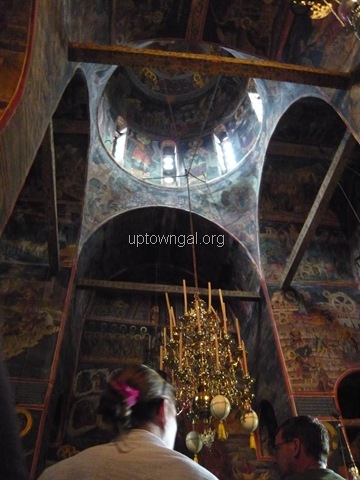
Pictures of the interior church walls & ceiling
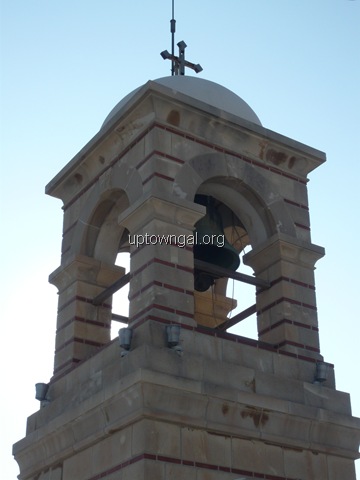
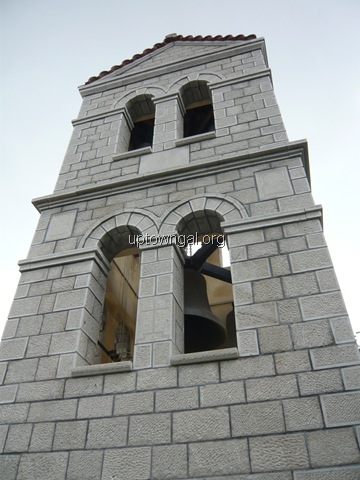
Left: Bell tower of the church of St George
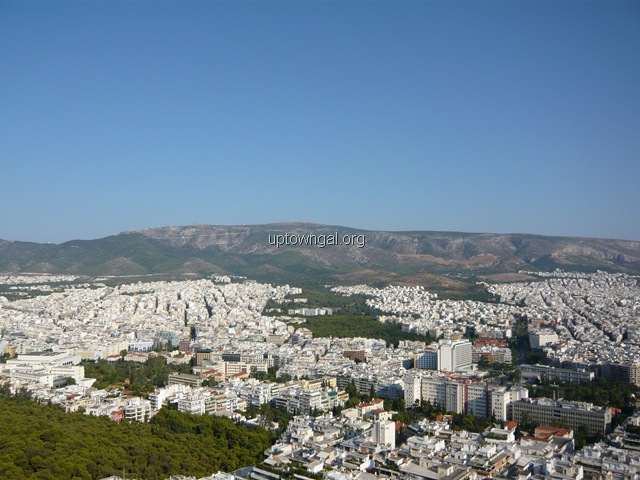
Right View from the top of Lycabettus Hill
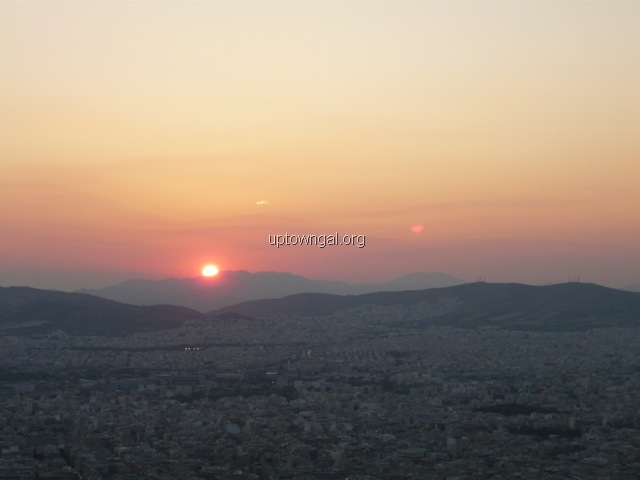
Left: The sun setting over Athens

Left: The bell tower at sunset
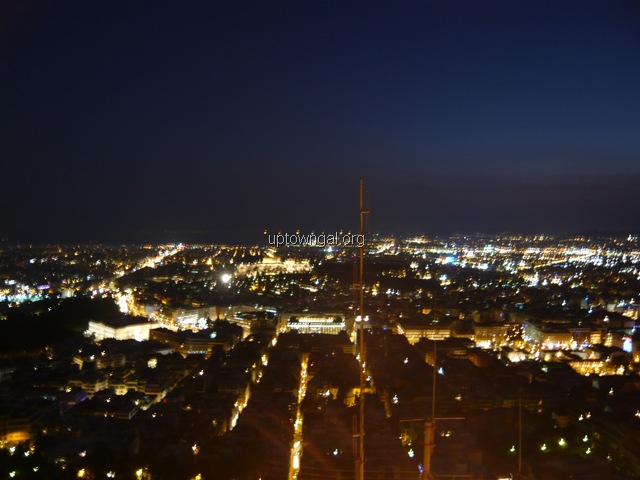
Right: Athens at night


Monastery of Agia Trias
Photos were not allowed to be taken inside the church halls.
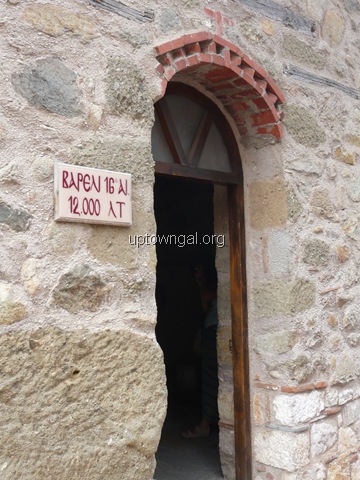

The monks used to store 12,000 litres of water in the barrel in the photo on the right. At first we were thinking – “that’s a lot of beerâ€â€¦ but no… it was just water.
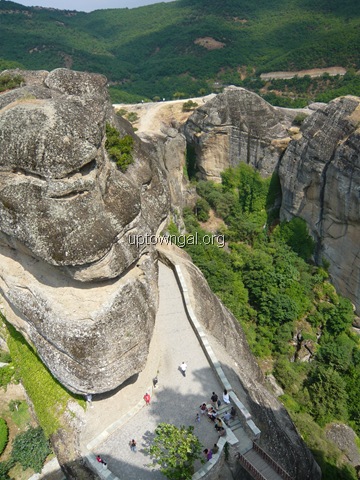
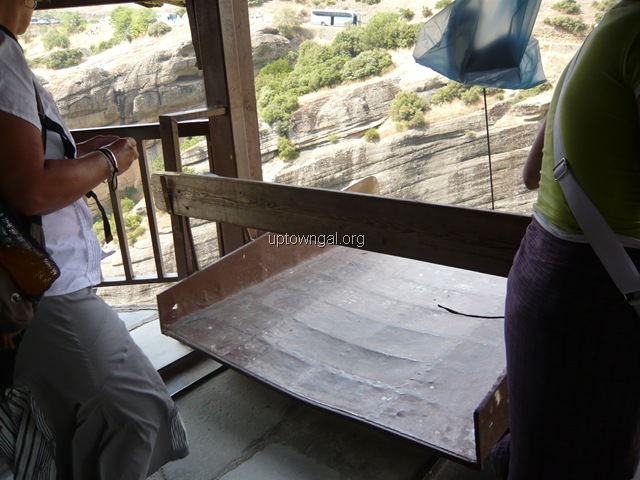
In the past, folks who could not climb up the mountain to get to the monastery (see above) were hauled up using the net and rope below.
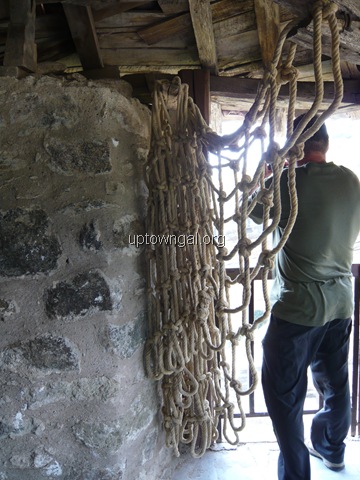
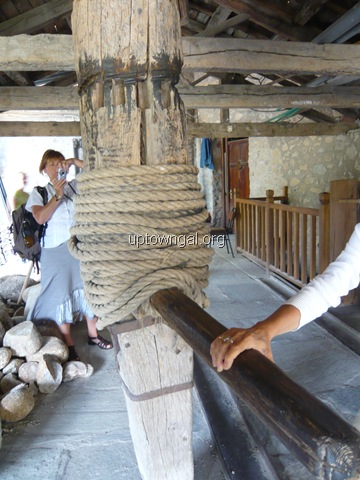
It is said that the rope was replaced everytime an accident happened…
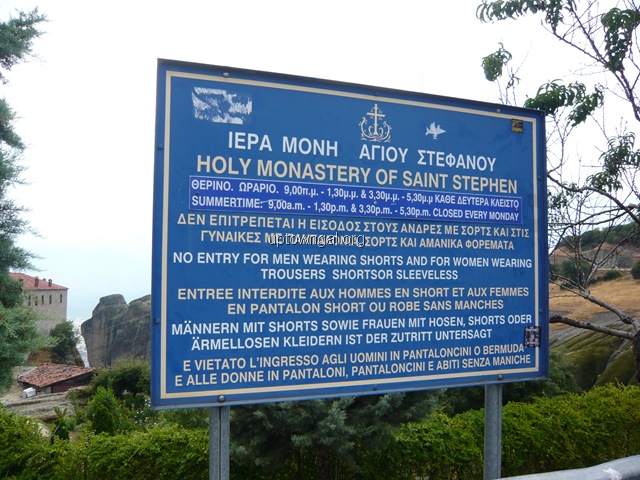
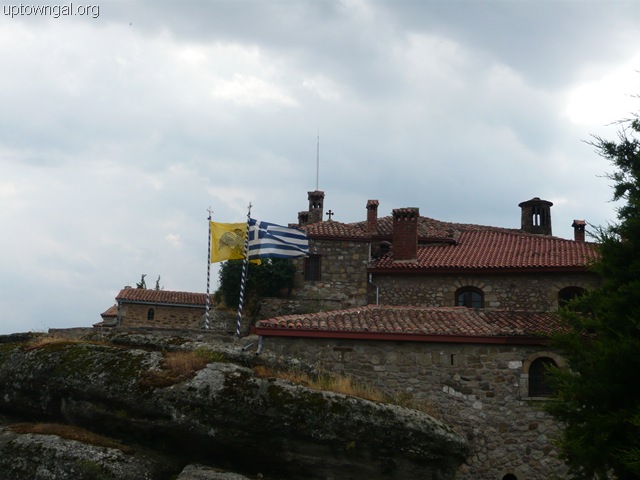
Next… the nunnery of St Stephen.
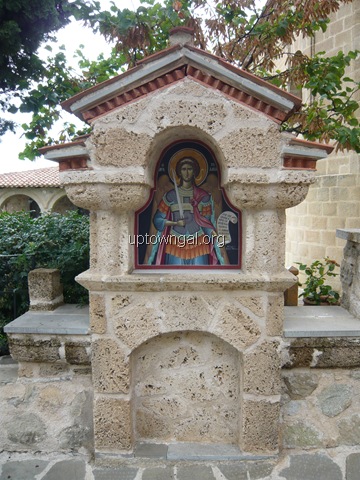
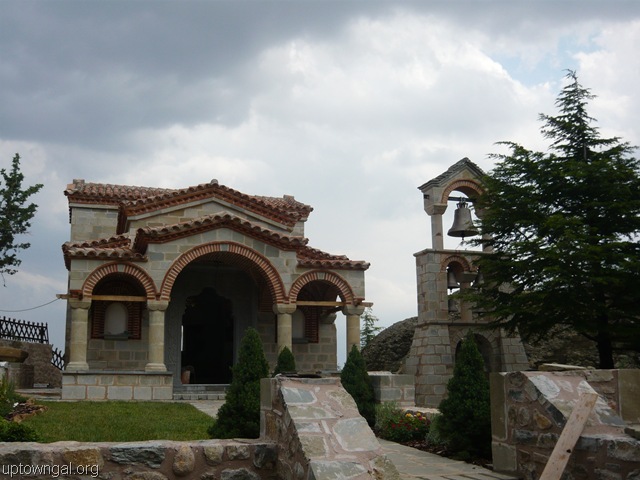
Much better maintained compared to the monastery!
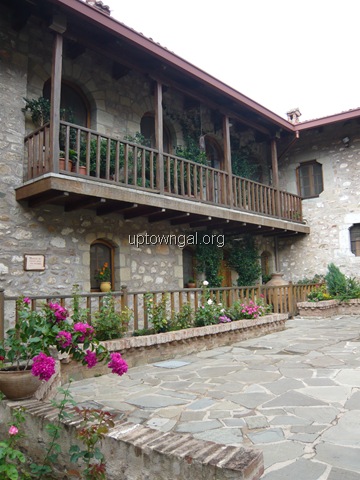
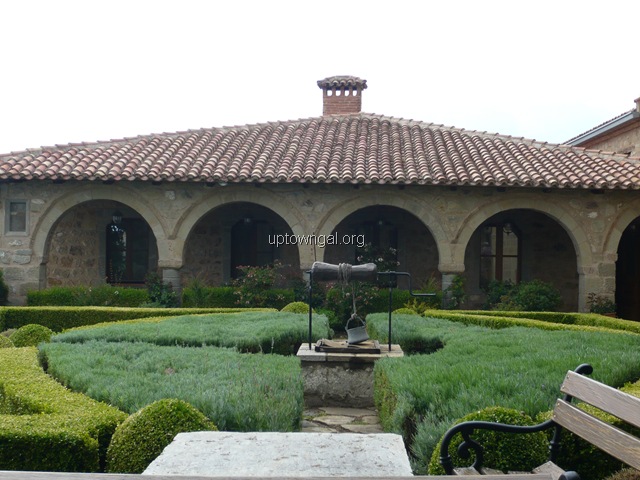
The lawns and gardens were very neat!
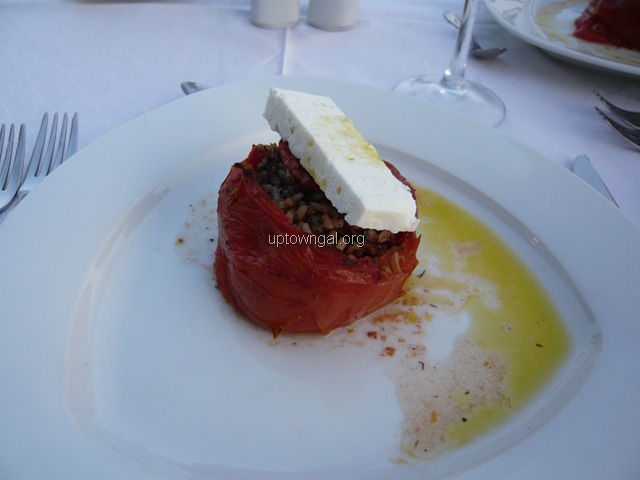
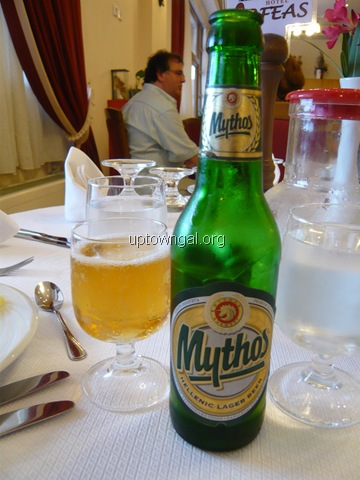
Typical Greek food (tomato rice with feta cheese) & beer.

Ever wanted a portable pillow? Check out the above link. Hehe. I think it is really cute!
Here’re some other photos taken with my digicam…
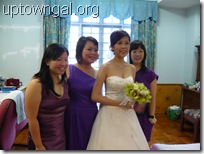
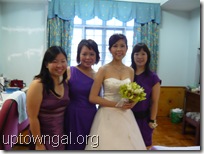
The jiemeis and me… quite sad ‘cos the 2nd photo is a little blur. *Sniff*

A refurbished suite at Ponderosa Country Club in JB

My hairstyle for the dinner on 1 Aug 2009. The diamante clip is actually the tiara from the day hairdo turned upside down.
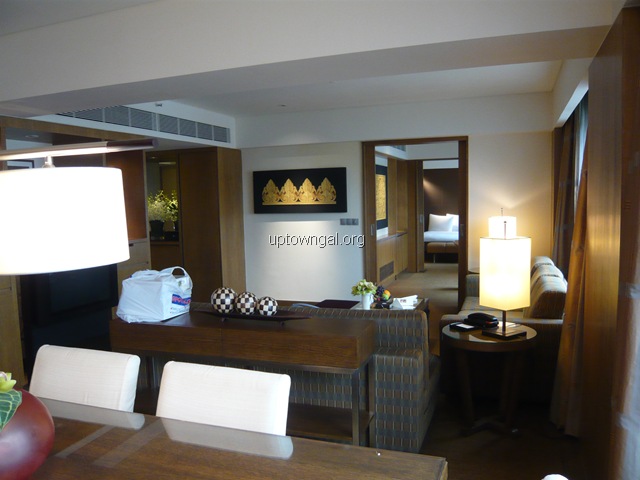

The Hyatt Bridal Suite – Living & Dining area. “Swee ah!â€

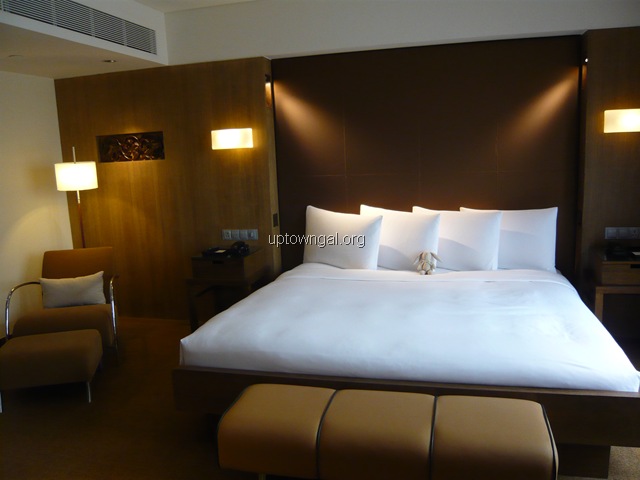
Study room & bedroom


Ransacking the kitchen…
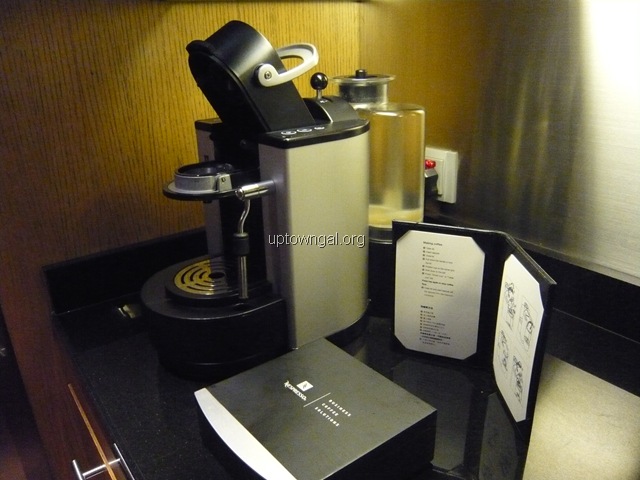
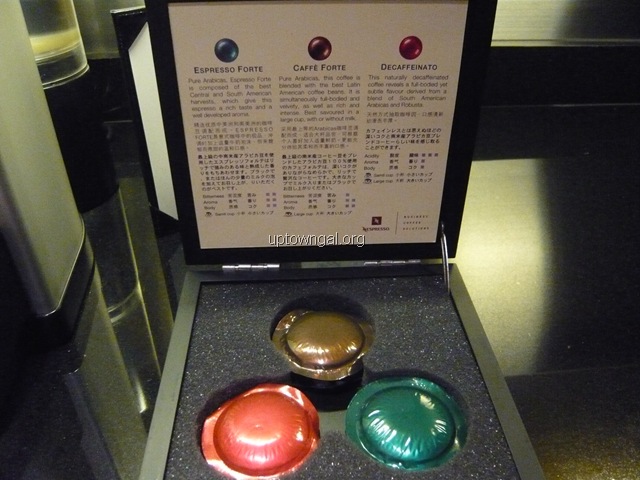
Atas kopi…

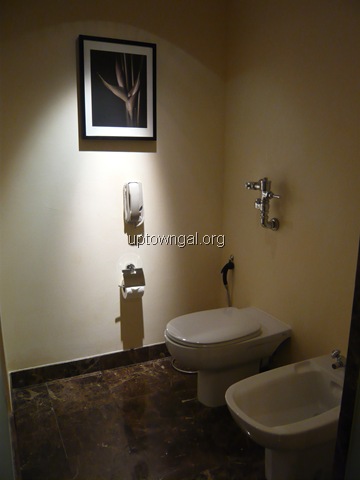
Huge bathroom


Check out the separate shower & long bath!
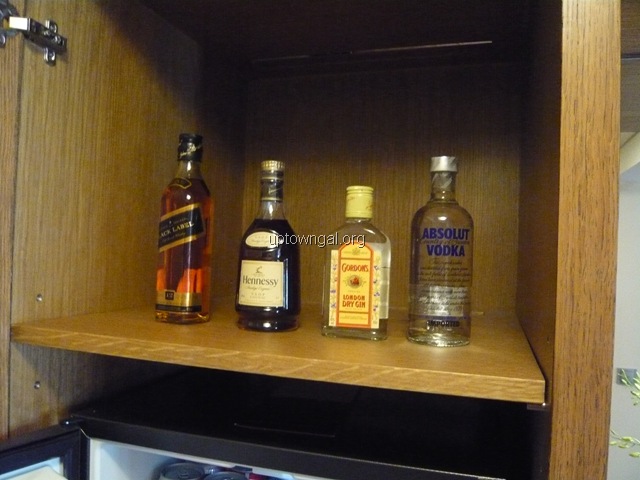

There was a minibar too!


Lots of things to lure you to spend $$$


The white orchids were part of the room display – very beautiful. The bouquet on the right was sent by our Hyatt’s banquet coordinator ‘cos Hyatt screwed up the orchids were initially wanted for the ballroom, though I was happy with the replacement orchids they had lah. 😛

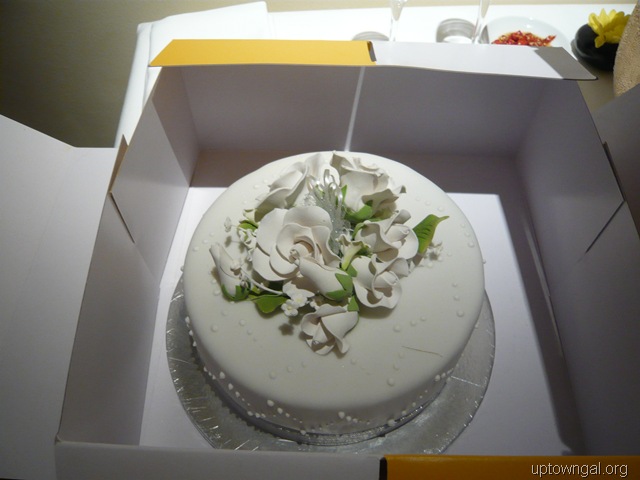
My hair for the dinner on 2 Aug 2009, and a wedding cake from Hyatt.
The photos from the actual wedding aren’t ready yet but our photographer, Lightbox Productions, helped burn a CD of the photos he used in the montage that was played during our wedding dinner. Here’re some selected shots. 🙂

Iceman came with his merry band of brothers to “pick the bride†on 1 Aug 2009.

I liked the shot of the brushes… so arty farty 😛
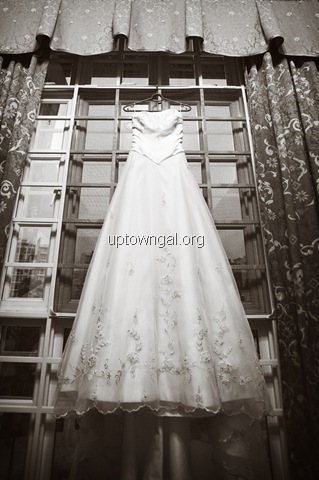

My gown (from French Bridal) & shoes (from Leapin’ Lizards)
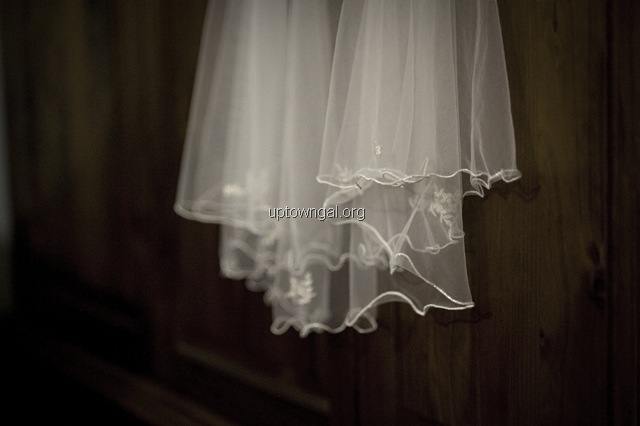

The veil and a pic of MC watching the day’s proceedings

Preparing the brothers’ “breakfastâ€â€¦

So kind of the jiemeis right?
The kind sisters
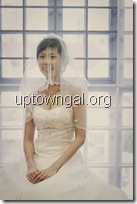
The veil goes on
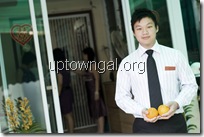
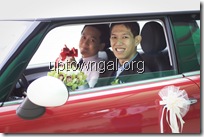
Iceman arrives
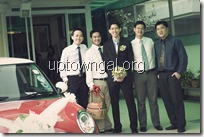
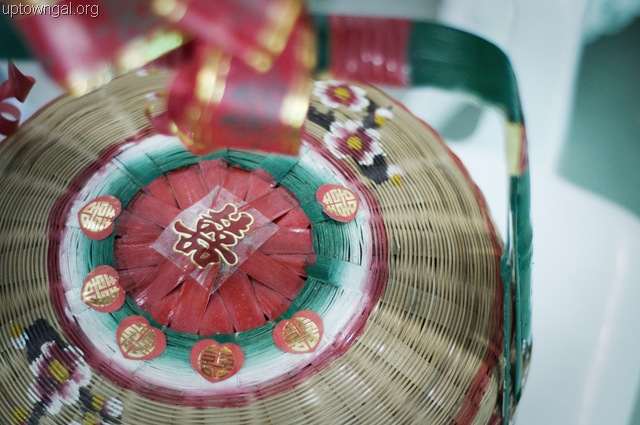
The groom, his brothers and a basket of fruits
The guys attempting to imitate a rabbit
The guys’ dancing had the sisters laughing hard
The brothers enjoying the breakfast
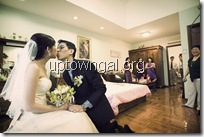
My dad asking for an angbao too! Hahahaha…


Everyone’s favourite bridal car…

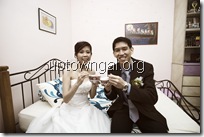
Homemade tangyuan
 `
`
I thought the orchids were quite unusual. Cute tea set eh?
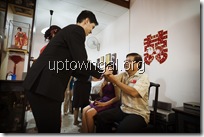
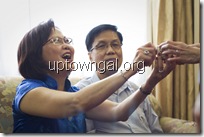
Serving tea to both sets of parents. My mom complained about the photo ‘cos her mouth was opened very big.. hahaha.
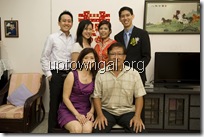
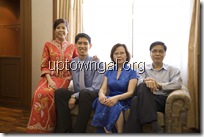
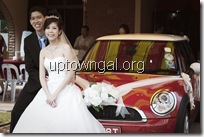
Family photos… now if only we didn’t have to return the car…
This is the first National Day that I wasn’t in Singapore. The National Day song for this year didn’t really catch my attention but this article in the Straits Times did. It spoke to me because I am proud of how much Singapore has achieved it the 44 short years that we’ve been an independent nation, and I’m particularly aware that the racial harmony we enjoy in Singapore today did not come easy.
==================================
IN A rare intervention in Parliament, Minister Mentor Lee Kuan Yew rose yesterday to ‘bring the House back to earth’ on the issue of racial equality in Singapore.
Spelling out the Government’s approach to the treatment of different races, he pointed out that the Constitution of Singapore itself enjoins the Government to give Malays a ‘special position’, rather than to ‘treat everybody as equal’.
He rebutted as ‘false and flawed’ the arguments by Nominated Member of Parliament Viswa Sadasivan calling for equal treatment for all races.
On Tuesday, Mr Viswa had tabled a motion for the House to reaffirm its commitment to principles in the National Pledge when debating national policies.
A total of 14 MPs spoke on the motion over the past two days. The wide-ranging and vigorous debate ended with Parliament accepting an amended version of Mr Viswa’s motion proposed by People’s Action Party MP Zainudin Nordin, and modified slightly by MM Lee.
Mr Zainudin’s amendment was to acknowledge the progress Singapore has made in nation building, while Mr Lee’s was to highlight the principles in the Pledge as aspirations.
While present at almost every Parliament sitting, the last time Mr Lee rose to speak was in April 2007 during a furore over ministerial pay increases.
He told the House yesterday that he had not planned to weigh in on the debate over the Pledge, but was moved to do so by Mr Viswa’s remarks on the hot-button issue of race.
In a lengthy speech on Tuesday, the NMP had expressed pride in Singapore’s inter-racial harmony and principle of equal opportunity for all races.
However, he questioned if the Government was sending out mixed signals by emphasising racial categories, for example, through ethnic self-help groups.
MM Lee declared that the assumption of equal treatment for all races is ‘false and flawed’, and ‘completely untrue’.
To ‘remind everybody what our starting point is’, he pointed to the racially tense period of the 1960s, the circumstances in which the Pledge had been written.
Singapore had just been thrown out of Malaysia. The Malays in Singapore were feeling particularly vulnerable, unsure if the Chinese majority here would treat them the way the Malay majority in Malaysia had treated the Chinese minority there.
Because of such a backdrop, the Pledge crafted by then Culture Minister S. Rajaratnam took pains to emphasise principles that would be ‘regardless of race, language and religion’.
Mr Lee also drew the House’s attention to Article 152 of the Constitution, which makes it the Government’s responsibility to ‘constantly care for the interests of the racial and religious minorities in Singapore’.
In particular, it states that the Government must recognise the special position of the Malays, ‘the indigenous people of Singapore’, and safeguard their political, economic and educational interests.
Mr Lee contrasted Singapore’s approach with that of the United States, where despite a 1776 declaration that ‘all men are created equal’, blacks did not get the right to vote until a century later, and racial segregation continued well into the 20th century.
For Singapore to reach a point where all races could be treated equally ‘is going to take decades, if not centuries’, he said bluntly.
For this reason, he sees the Pledge not as an ‘ideology’, as Mr Viswa put it, but as an ‘aspiration’.
Mr Viswa had also wondered if Singapore had got the balance right between prosperity and the happiness of its citizens, and if it had done enough to strengthen its democratic fundamentals.
Education Minister Ng Eng Hen, who spoke after MM Lee, provided a detailed response, spelling out how the Government’s record over the past 50 years had been entirely in the spirit of the Pledge.
‘Far from compromising these ideals in the pursuit of economic gro-wth, we have been defenders of these ideals in building a nation,’ he said.
Policies are debated openly in Parliament, and the Government is accountable to the people at every election, he said.
He noted that Mr Viswa’s model of a multi-party democracy, more opinionated media and politically active universities was drawn from other democratic models in the West.
In Asia, the Philippines, Taiwan and Thailand have elements of these models too.
But he questioned if those places had done better than Singapore, and said it was not self-evident that their models would work here.
More important than high-flown rhetoric in pledges and anthems was the reality on the ground, in the lives that citizens led, he maintained.
He agreed with the NMP that Singapore must move with the times.
However, Dr Ng said: ‘We must not do so unthinkingly, but consider carefully each step forward, carving our own path towards a better society and a more vigorous economy.’

Recent Comments